
In 1998 as a new staff with an environmental group, one of my first projects was to analyze the draft document and plan amendment for lands recently acquired by the Bureau of Land Management (BLM). Transferred in 1997 from the Energy to the Interior Department, and formerly designated as the Naval Oil Shale Reserves Nos. 1 and 3, sitting at the furthest reach of the East Tavaputs Plateau the plan’s subject was a striking feature: the Roan Plateau.
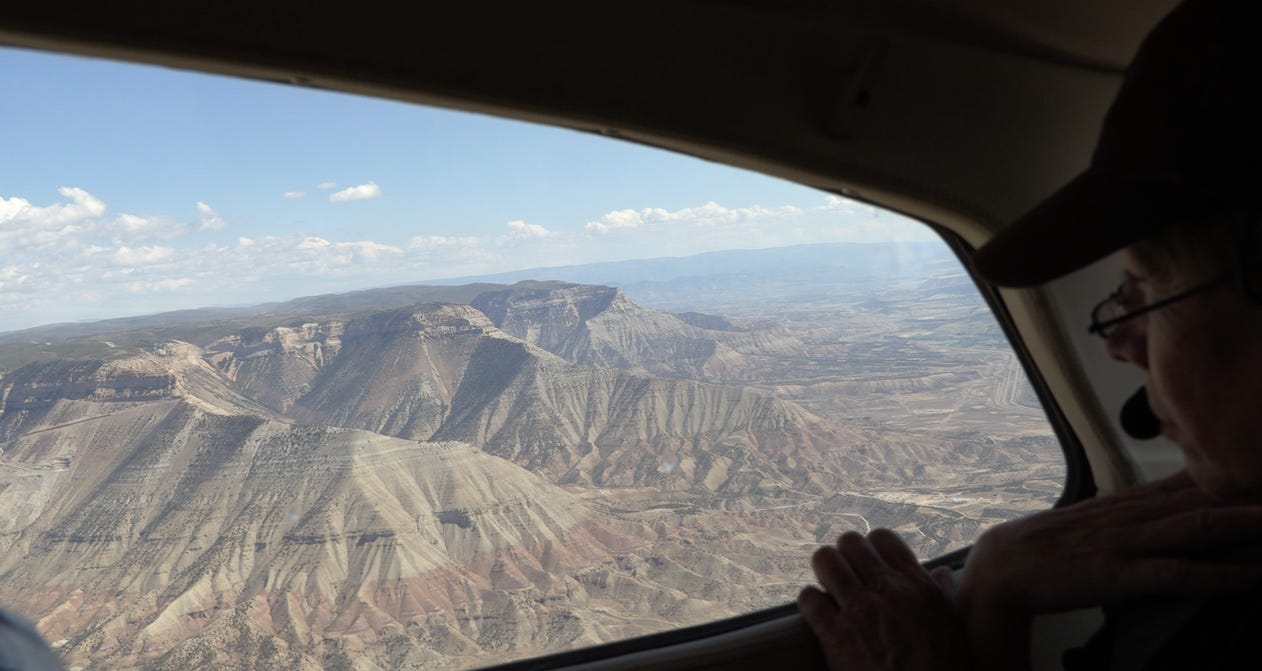
I did not know that my comments would become part of a decades-long effort to protect one of Colorado’s most ecologically unique landscapes, a subalpine island of aspen, spruce, with native trout and prize elk herds, rising above the arid sagebrush sea of the Piceance Basin.
The Roan Plateau is that high feature between Rifle and Parachute, Colorado. Looking north up from the desert steppe and badlands to the majestic Roan Cliffs, most travelers on I-70 would never imagine that above the rim lies a wilderness with trout streams and waterfalls, wildflower meadows, aspen and spruce.
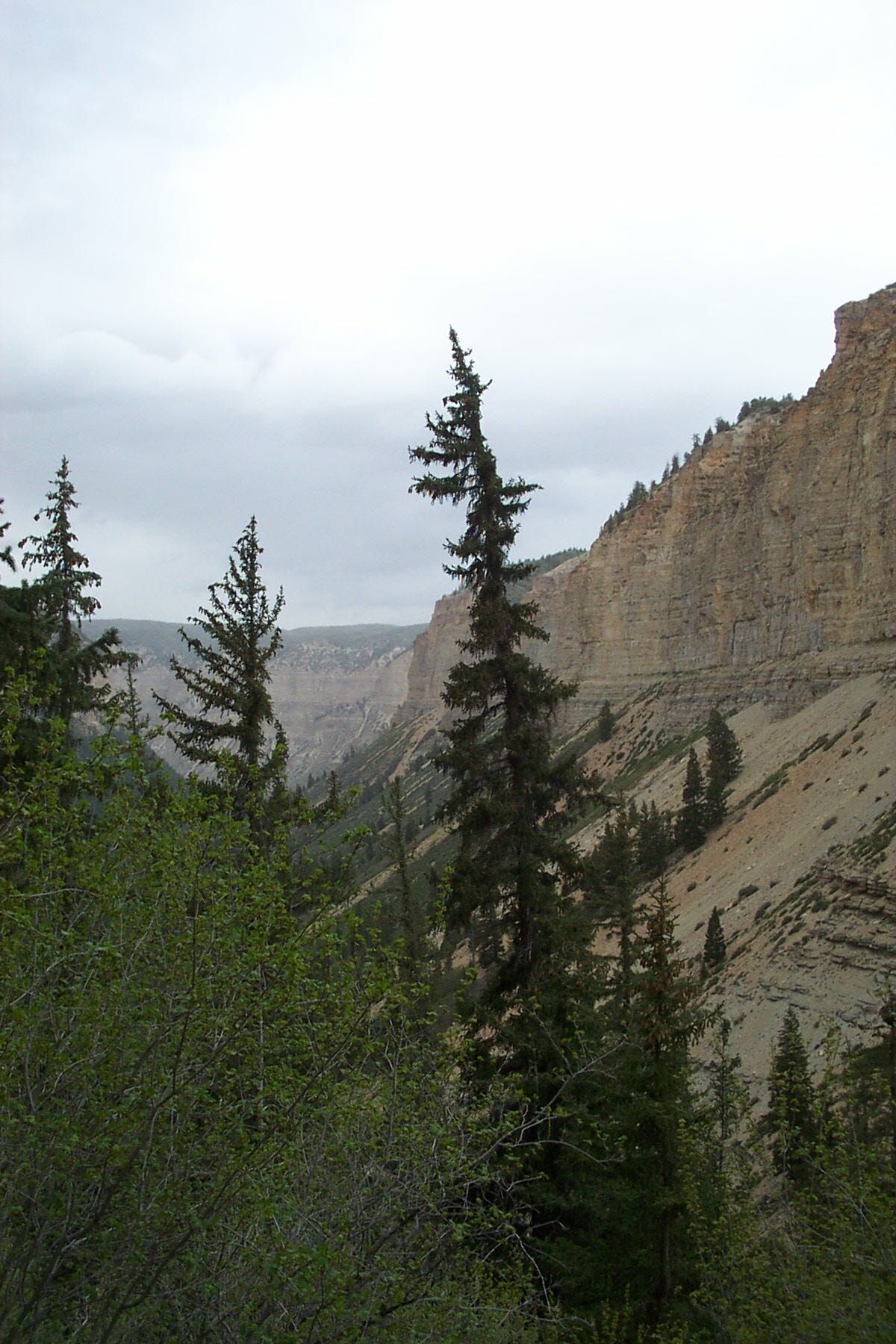
And what we call the Roan Plateau is really just a remnant of a vast public estate that once stretched to Utah. This makes its remaining natural public lands, its trout streams and world class habitat, an island ecosystem atop a sagebrush sea, even more critical for conservation.
On the gazetteer I had brought with me to Colorado the year before, the area was still depicted in purple - not the tan for BLM or the green for National Forests. I became immediately curious and then learned it had recently been transferred to BLM. And now here was a chance to comment on its future as part of our public lands.
That the land had been transferred from the Energy Department or that it had been reserved for the Department of the Navy is testament to a force that runs through western Colorado history like an organizing myth. That there are vast riches to be made from rock.
And people have made tremendous wealth from Colorado’s minerals although none of it was from selling oil from “oil shale” (which is neither, nor is it shale oil). Like many resource booms that roll through the decades and across the state’s geology, the real money was made converting public wealth into private assets and pumping the hype.
The speculation and profiteering that runs through 150 years of western Colorado history is layered thick at Roan Plateau – like the Eocene limestone and dolomite that will never be turned profitably into oil. Take the “Great Oil Shale Giveaway” that culminated in the transfer of tens of thousands of acres of public lands to private profiteers at $2.50 an acre.
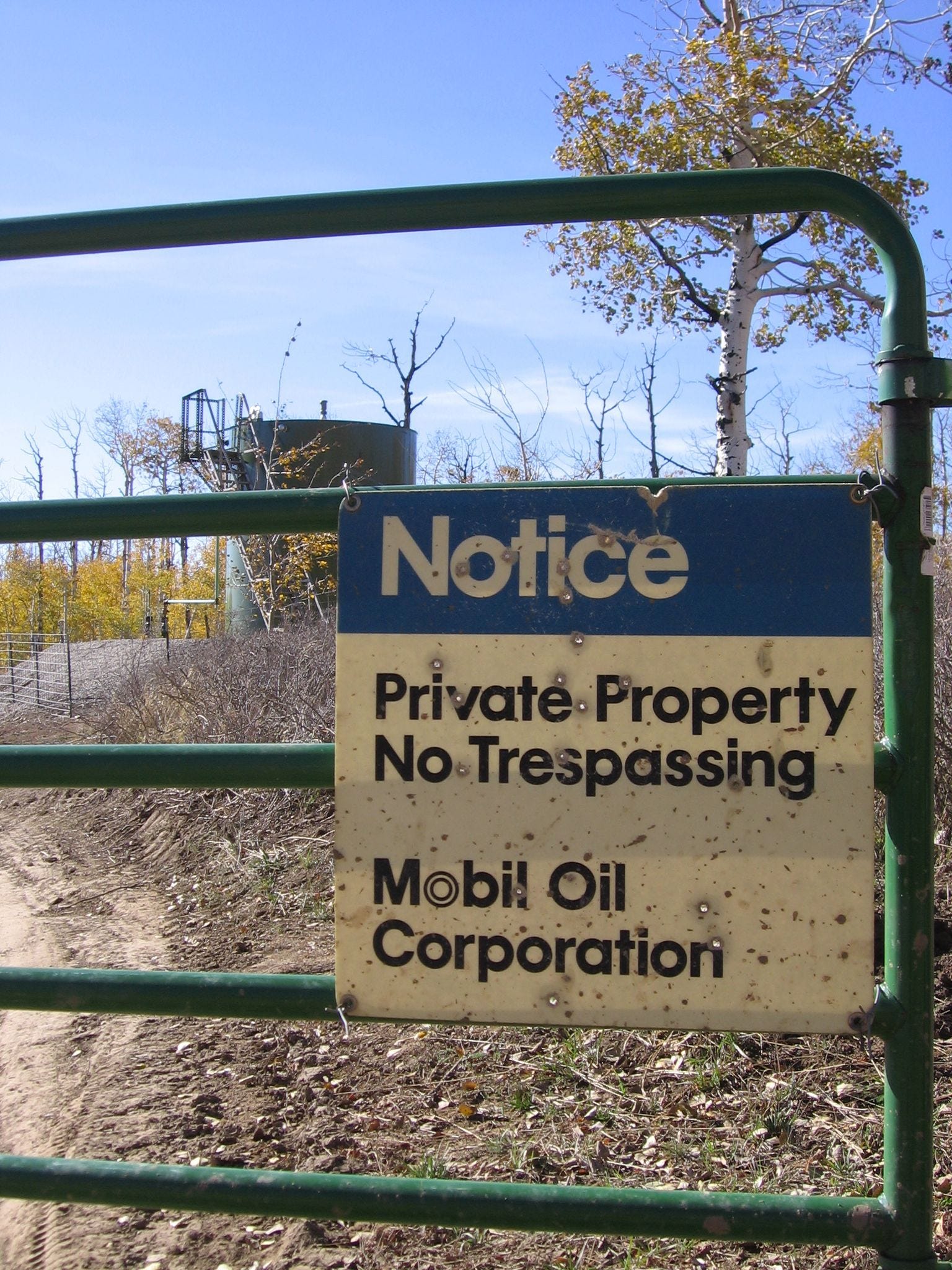
In this debacle, once-public lands teeming with wildlife, underlain with copious methane gas deposits, and securing critical watersheds and habitats were privatized at 'bargain basement' prices. They were then immediately flipped into the hands of centimillionaires and corporations at hundreds of times what the taxpayer received—yet still far below true market value—for lands and resources now worth hundreds of millions of dollars or more. (An estimate at the time put the public’s loss in mineral resources alone at hundreds of billions of dollars, although that was based on 'technically recoverable' projections rather than economically realistic valuations.)
In the years after World War I the U.S. was building an oil-fueled navy. Oil shale (and petroleum) speculation became all the rage across many western lands. Speculators (and sometimes regulators, see Teapot Dome) lined up to profit. Vast acreages of public lands around Rifle and Silt into Utah and Wyoming were being put by speculators into hardrock mining claims – even though no market existed then (or now) for the rock or its costly, difficult-to-produce synthetic oil.
To ensure some oil remained for military use, the Naval Oil Shale (and Petroleum) Reserves were established in 1916 and 1924. And in 1920 Congress passed the Mineral Leasing Act to help address these misuses of the 1872 General Mining Law.
But nonetheless more than six decades later, under President Reagan and a friendly administration, many of those hard-rock “oil shale” claims were still patented (sold), for $2.50 an acre under the 1872 Mining Law to the wealthy companies and speculators that had acquired them over time.
The outcry grew and Congress acted to put the brakes on the giveaway. But the courts intervened and codified the transfer. Tens of thousands of acres of valuable minerals and public lands were taken from public hands and turned into corporate assets.
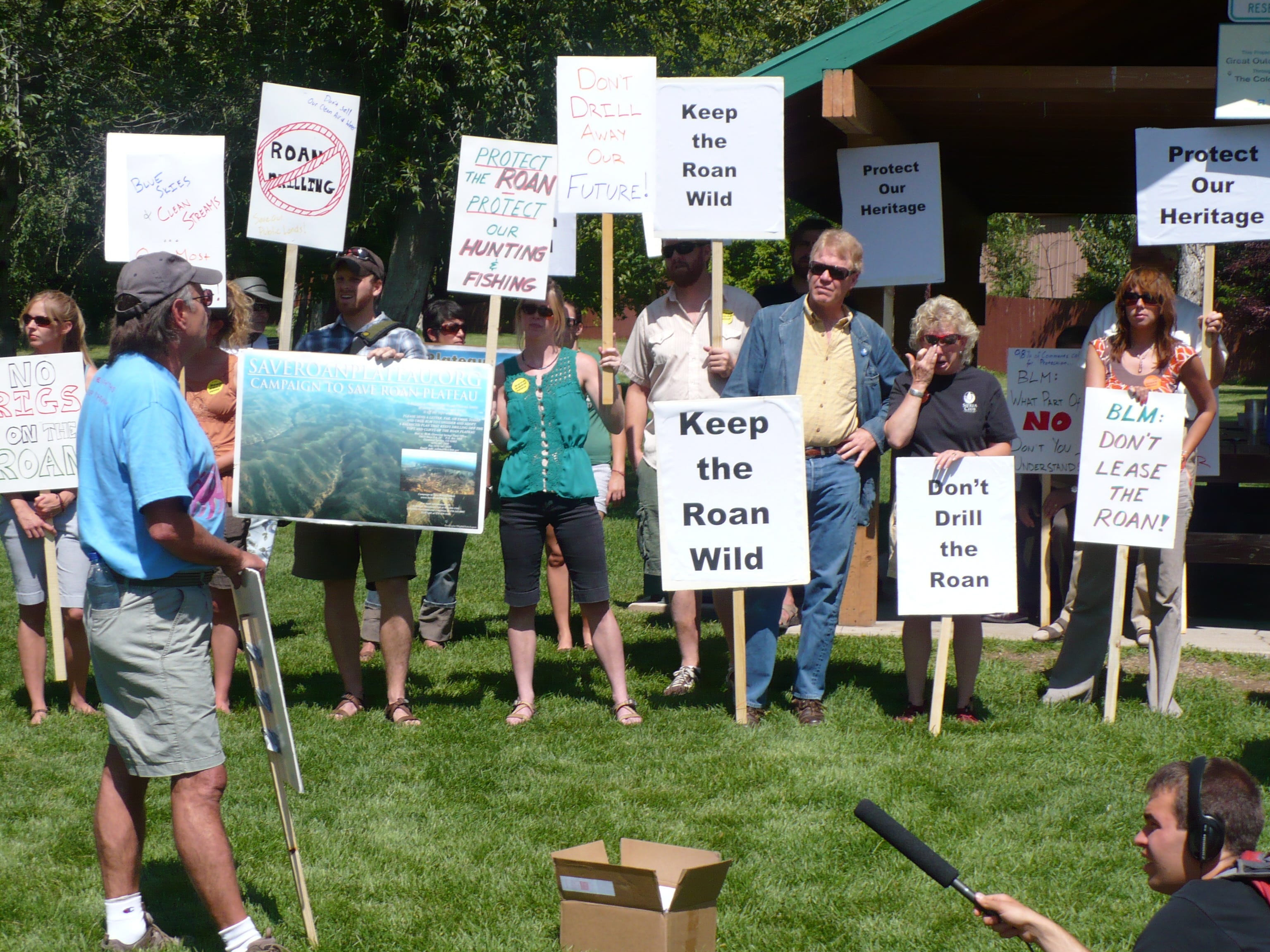
BLM completed its initial plan for the acquired Naval Oil Shale lands in 1998, mostly to address immediate issues required in the transfer legislation. From 2000 until 2008, I helped to coordinate the Save Roan Plateau Campaign – a broad coalition of groups, businesses and community leaders — as the agency developed its long-term, comprehensive plan to manage its new lands.
The value of these lands intact is far greater than the public benefit from turning them into industrial gas-fields. That was true then as the tight-sand gas boom was transforming the private—once public—lands on all sides around the Roan’s remnant public holdings. And it is true today after the value of Piceance gas has collapsed.
“There’s just no demand for western Colorado gas,” John Harpole, Mercator Energy, quoted in the Grand Junction Daily Sentinel, May 19 2026
But industry then, as today, was not only eyeing the resource to immediately extract. It is just as interested in padding portfolios–probably even more so now with the gas valued at about $0.85/mcf as of late May.
After the brokedown times following unfulfilled promise, after the peddled hopes that have mostly served for sleight-of-hand: History shows that a sure way to make money in a Colorado resource boom is often not mining. Rather it comes from trading on the dream and hype of it
This was the case in the 1880s with the silver boom and silver crash (1893). It was true in the late 1970s and 1980s with the oil-shale fervor followed quickly by Black Sunday
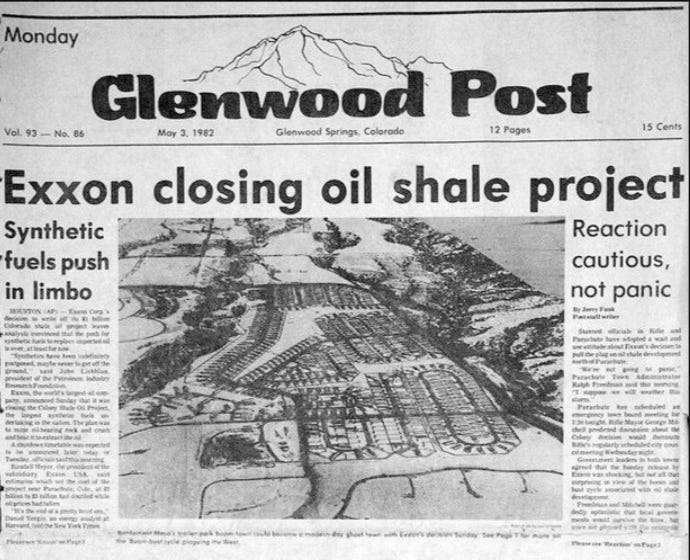
On May 2 1982, with spiking costs, Exxon—which just two years earlier had projected an oil shale town of 200,000 near Rifle and 15 million barrels of daily production at $25/barrel—padlocked its gates, leaving workers to find out they were fired when they showed up for their shift and fled in ignominy. By 1985 the industry, and much of the region’s economy that had aligned itself to the hype, collapsed.
Like oil shale, uranium collapsed when government subsidies did. Both left a legacy of contamination that cost taxpayers hundreds of millions to mitigate. The hardrock boom from more than 100 years ago is still poisoning Colorado streams and rivers.
At the Roan Plateau the value for corporations lies in securing the resource on their ledgers, to put together what could be the promise of a play and then to trade on that. If only we had a datacenter or a pipeline filled with more than empty promises - we’ll get our pay day! It’s a rich vein, prospecting for dreams to mine and hopes to monetize.
Yet the oft-repeated public promises often do not yield the promised public returns. They do take public assets from Americans and lock them up into private portfolios managed not by public agencies and local communities, but by corporations in Houston or from a glass-tower hedge fund. And the harm from repeating this cycle – the resource and social damage left – keeps economies and communities dependent and left behind.
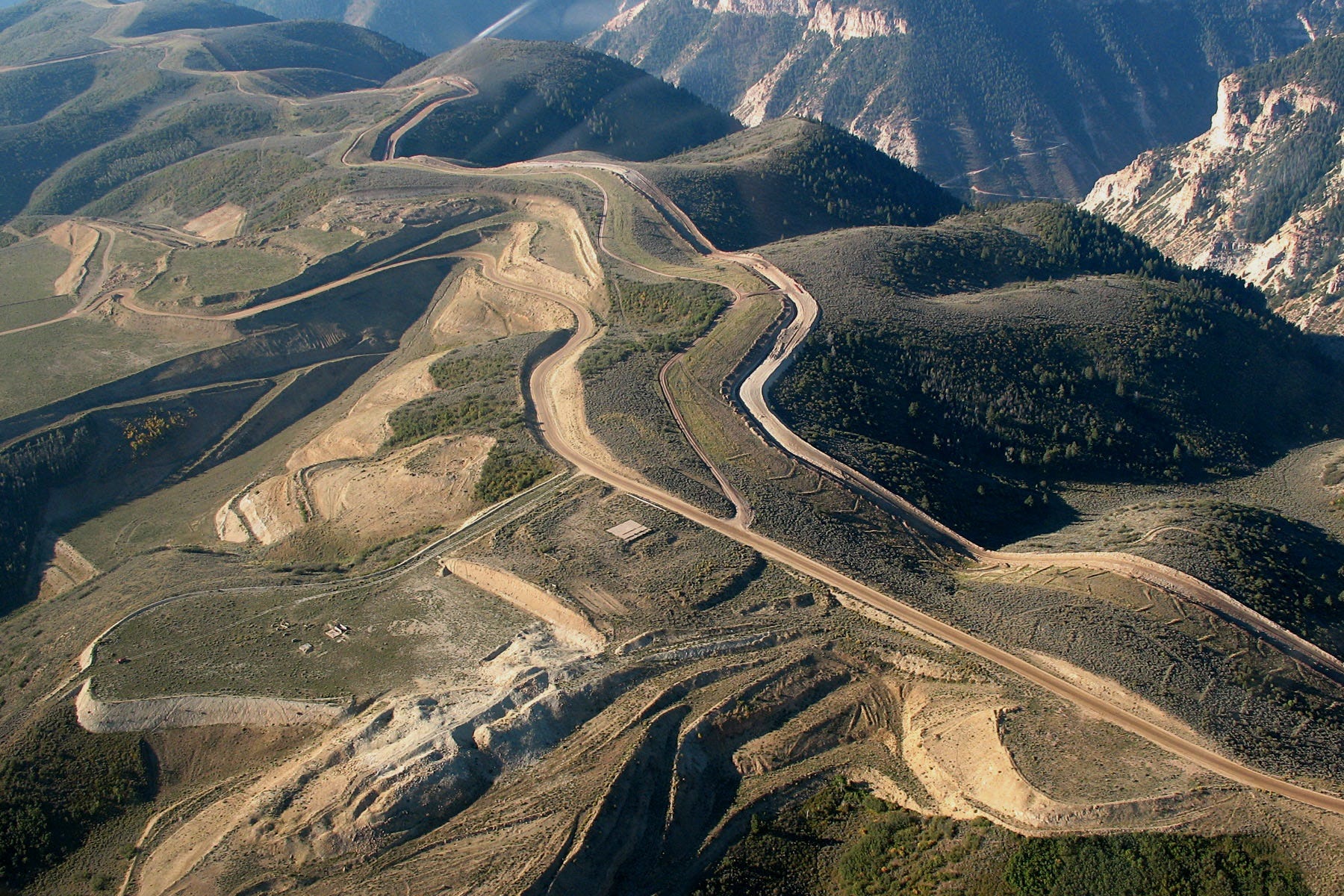
Now BLM is once again considering turning this unique public land treasure, Colorado’s Roan Plateau, into more of what now surrounds it - a fracked gas field. And reneging on previous commitments made to Colorado communities like requiring any future leasing atop the Plateau include payments into a compensatory Conservation Fund, which would support long-term efforts to address oil and gas impacts in the region. But the oil and gas companies never paid into the fund to help ensure that our wildlife is not displaced and that our environment is not harmed.
There is no demand for the Piceance Basin’s fracked gas as the industry admits. So why rush to lease these public lands? Questions should be asked and answered.
What is the public reward and return gained by leasing the Roan Plateau?
What is the real value being extracted from the public’s assets?
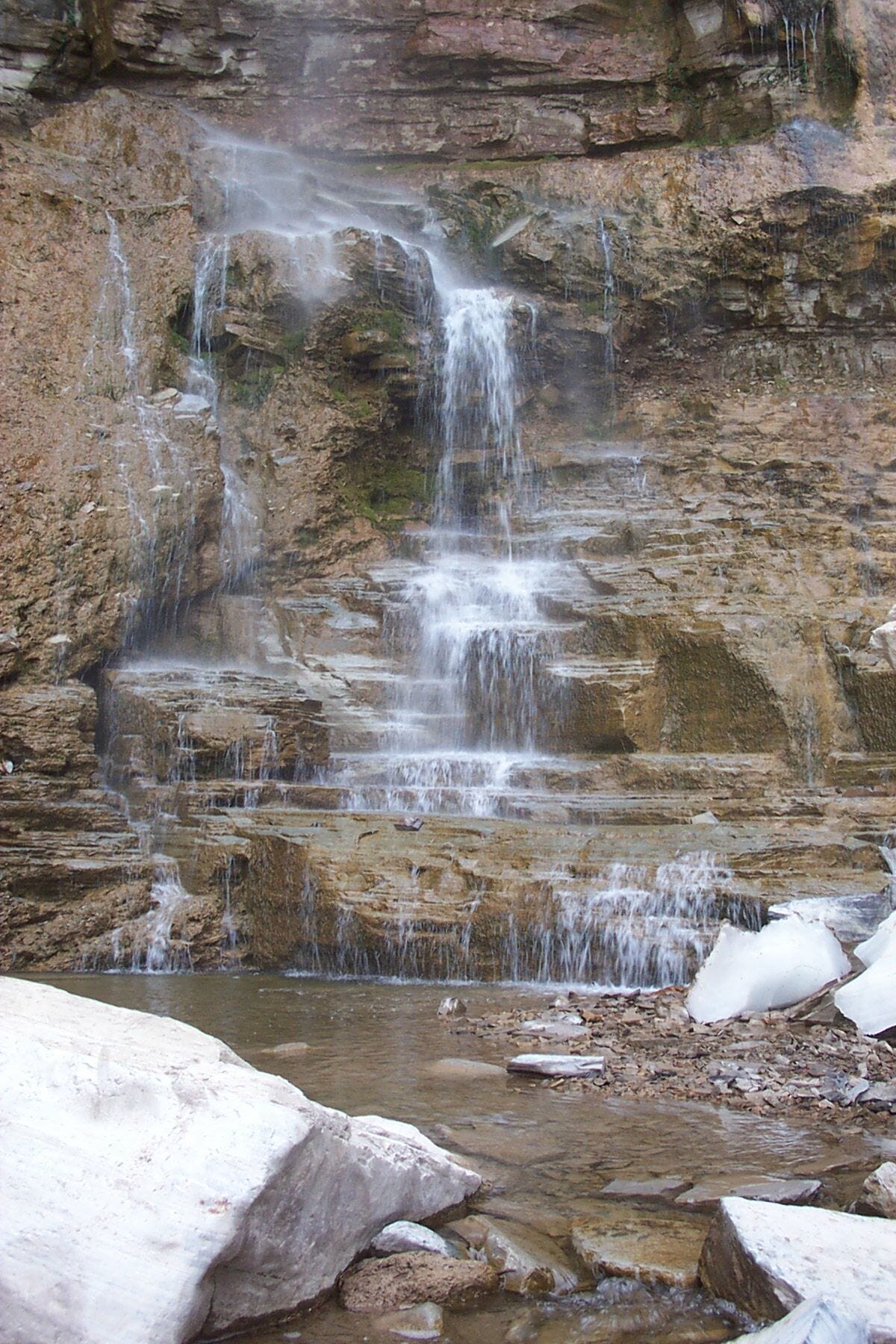
What resources, what outdoor opportunities, what ecosystem services, what priorities that build resilient communities are diminished in exchange for an uncertain gain?
What is the cost and benefit for people living here now, for future generations, and for other life we are privileged to share this landscape with?
You can call Colorado’s U.S. Senators and Congressman Jeff Hurd.
Capitol Switchboard: (202) 224-3121
Ask all your elected officials these questions. Tell them that the Roan Plateau is worth saving. Ask them who their constituents are — and if that is who they are serving.
Note what they say, watch how they act, and vote.
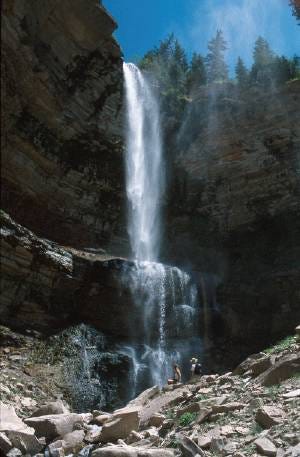
It was a privilege to have seen this place, thanks to you. I am sorry this is happening again, but where it has been saved before, there is still hope of saving it again. And again. 💙
Thanks for providing the history and your involvement in this unfortunate litany of events. Keeping it front and center!