Seeds and Faith
Saving what matters for an uncertain time
Across time and place, people have seen—and guarded—their hopes in the seed. If you believe the Gospels of Matthew, Mark, and Luke, Jesus taught about the tiny mustard seed that grew into an impossibly large plant—likening it to the greatness of the Kingdom of God, incipient in even the smallest of things.
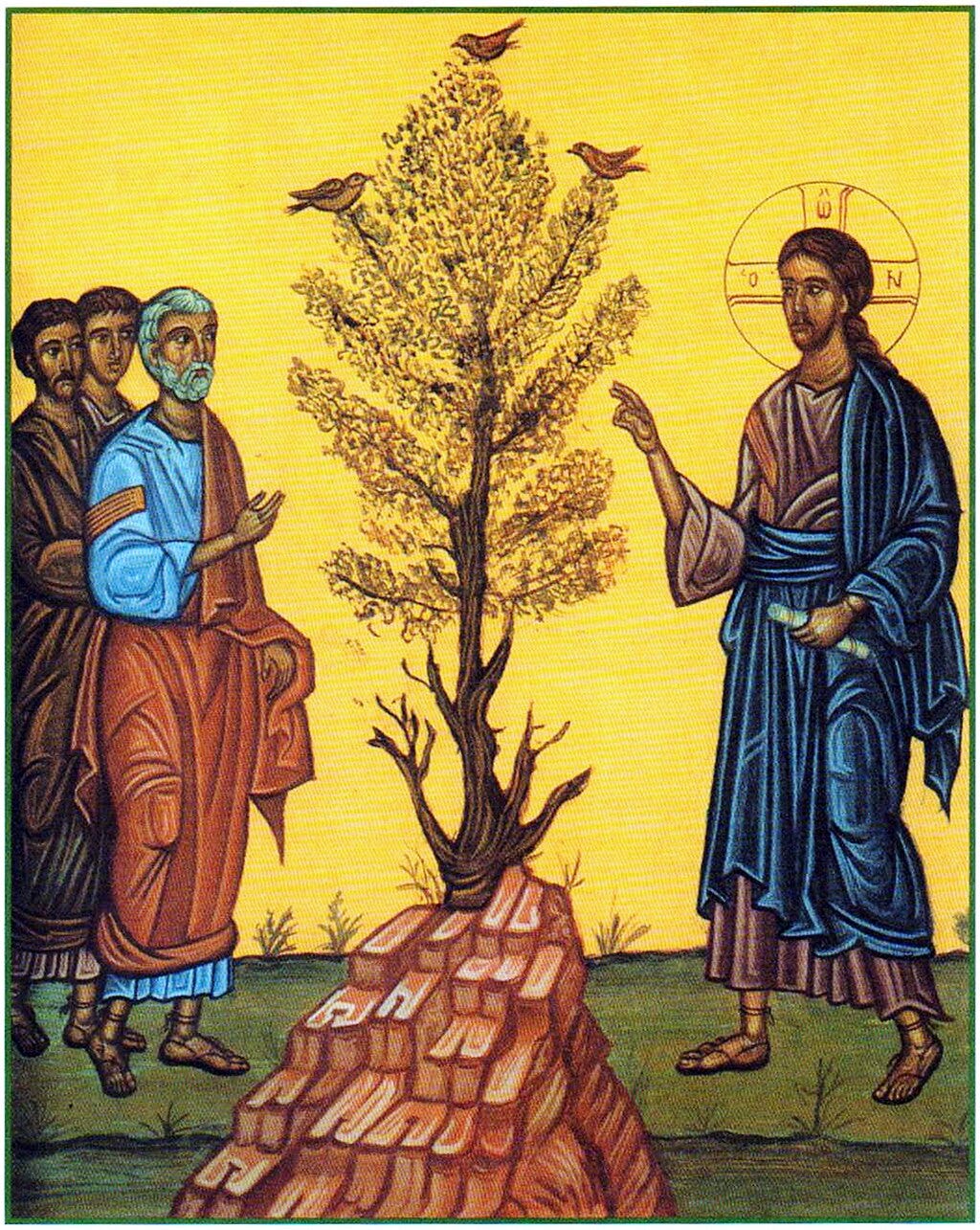
And in the gnostic Gospel of Thomas, He says the Kingdom of God “...is like a mustard seed. It is the smallest of all seeds. But when it falls on tilled soil, it produces a great plant and becomes a shelter for birds of the sky.”
Twelve centuries later, under a different sky, Puebloan people were preparing the last of their maize crop. Like agriculturalists everywhere, they saved some of this seed in granaries so it could be planted again.
The seed is an article of faith, perhaps like none other. It exists as physical potential. A seed is a living embryo in suspended animation, a plant paused mid-breath—uncertain but alive. It holds inside everything needed to become what it could be: root, stem, leaf, flower, fruit.
Most vegetable seeds stay viable for two to five years under proper storage, but some can wait much longer if kept cool, dry, and dark—beans and tomatoes for a decade, squash for centuries. To be saved, it is dried, selected, then kept and cared for, guarded against pack rats and moisture. The seed represents both jeopardy and reward.
When a seed endures, grows again, and carries its knowledge forward, the reward is real.
In the Four Corners region, beans reportedly discovered at ancient Puebloan sites have germinated successfully. Varieties like Zuni Gold have been grown continuously at Zuni Pueblo for nearly a thousand years, their seeds carrying what one seed-saver calls “local knowledge.”
Like agricultural communities everywhere, seed-saving is part of how many people prepare for spring. They save chosen cultivars—those proven most hardy for the short seasons, the high altitude, and the intense sunlight of the high-desert valleys of western Colorado. Seed saving is preserving knowledge–it germinates aspirations too. We are wise to keep and keep secure the good ones, but we don’t need to, and we cannot, save them all.
The Delta County Seed Library, now in its thirteenth year, offers around 1,600 packets annually—more than 30 flower varieties, over 20 types of tomatoes, 10 kinds of melons, 30 different herbs. Patrons check out seeds and many donate back saved seeds, maintaining the collection’s turnover with heirloom varieties particularly prized for adaptation to thrive in western Colorado. We select those things worth saving, worth storing away.
Over the winter, the nights grow long and people gather to sort and select seeds; you can talk and share stories. People trade their favorites and it gives something to do when it is already dark at five. What might be in next year’s gardens? Ideas sprout too in these intimate spaces, where people sit and talk and nights feel fertile and not only dark.
Our good ideas, our aspirations, those thoughts carry us through the cold and nighttime.
Some of those ancient southwestern granaries were tucked away in nearly impossible locations–high on thousand foot cliffs, or far out along narrow sloping ledges. Hardly a place to put a store you planned to access with regularity. These look like places meant for safe and long-term storage, like the seed vaults of today meant to guard against climate calamity and other ecological collapse.
What were the Puebloan people guarding against? What was the hope they were securing for another time? Which ones should we save and carry forward? Which do we save away for a more prepared field or better season?
Another parable from the Gospels is of the sower casting seeds. Some fall on hard-pack and some in brambles. Some seeds get eaten by birds. But the seeds that land in good soil sprout and grow. In Thomas’ telling of the mustard seed parable, it is placed in tilled soil, in a place prepared so that it grows so large birds arrive to roost in its branches.
The birds are ideas that we did not even dream. We are wise to have saved the seeds, and we were rewarded with a tall garden to tend. But the birds showed up on their own.


