Steady, Ready and Discombobulated
On Disruption in Spring

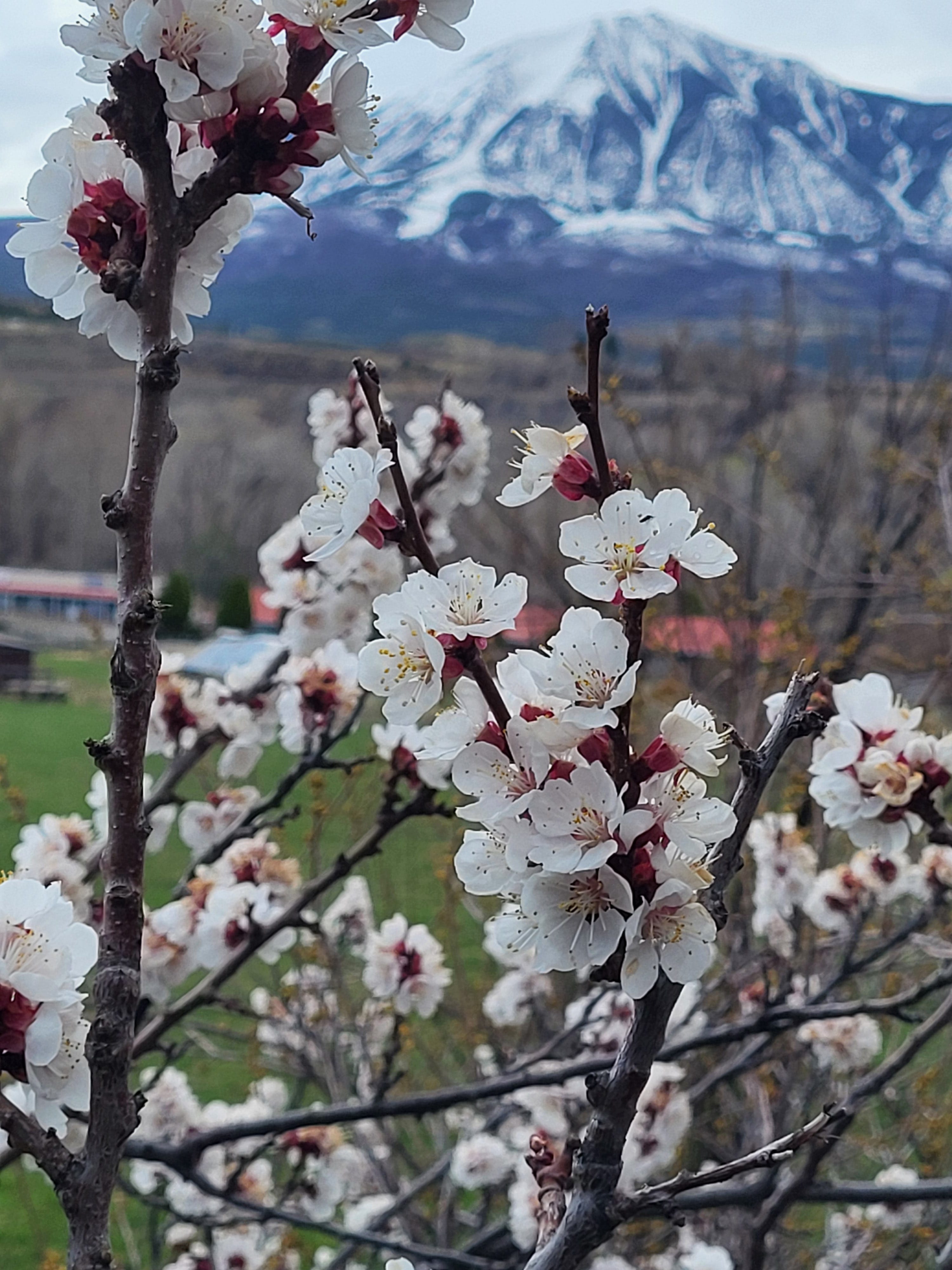
I’m looking up at Mount Lamborn. April should be the peak snowpack, and it looks like the Summer Solstice. I think, “We told you so.”
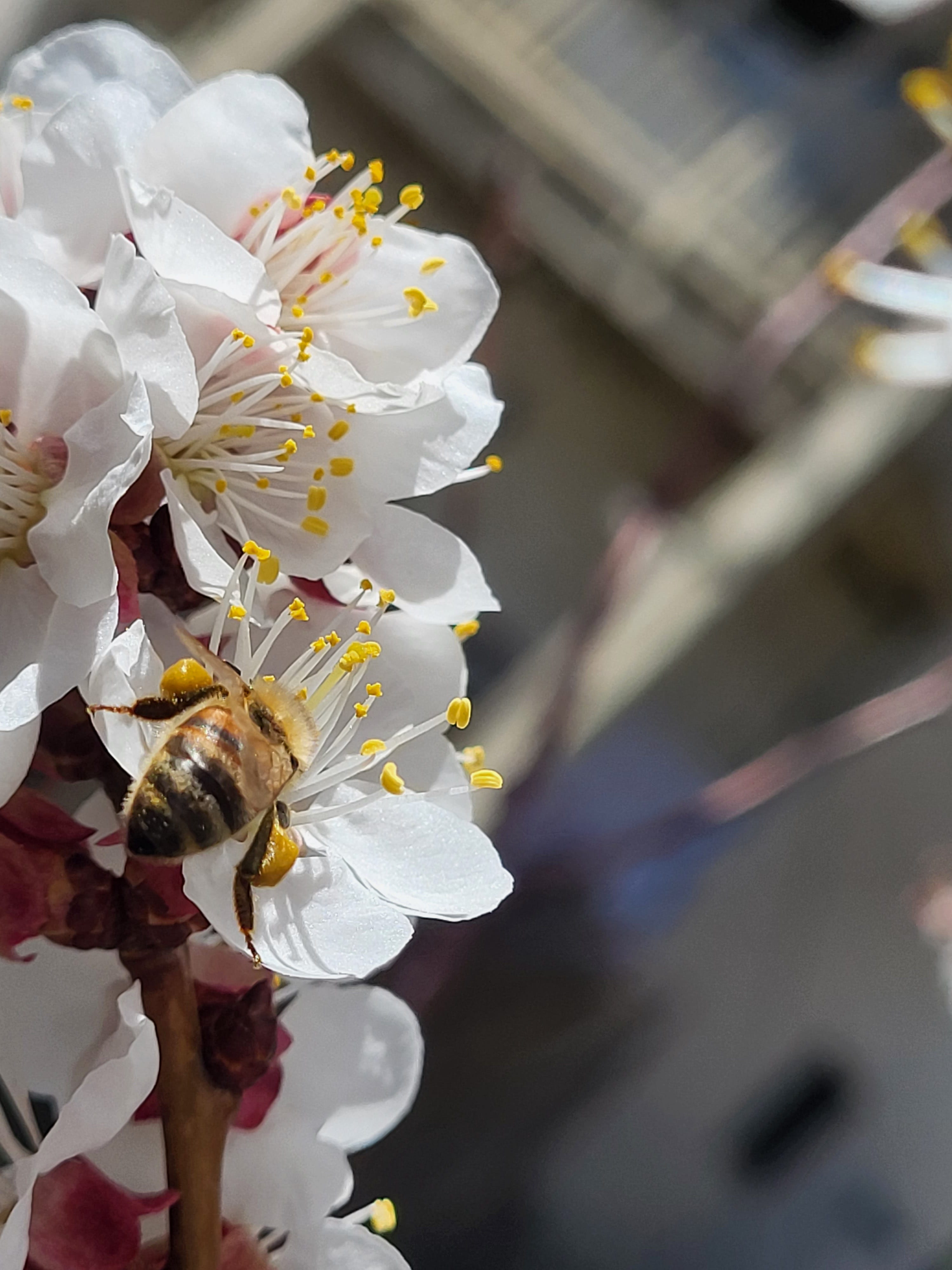
It is the Spring Equinox, however, and my apricot tree is humming with bees glad to get an early taste. My backyard neighbor, an orchardist, worries about seeing everything bloom open in March— one freeze and the fruit set could be gone. I irrigate from a ditch, and my drinking water comes from springs high on Grand Mesa across the road from my house. My neighbors are all talking about drought.
It’s still March and the Governor has already activated the Drought Task Force and escalated the state’s response. It is a time of incongruence and mismatch. Things feel weirdly disrupted and the weather is beautiful.
Along the ditches years of escaped fruit have spread feral orchards of their own, now blooming in an outrageous display of May in March. I have to take the jacket I just habitually put on, off as soon as I walk out the door.
Another neighbor has spent a life researching bees and birds and how they time their encounter with flowers up at Gothic. He knows. Things are off-kilter.
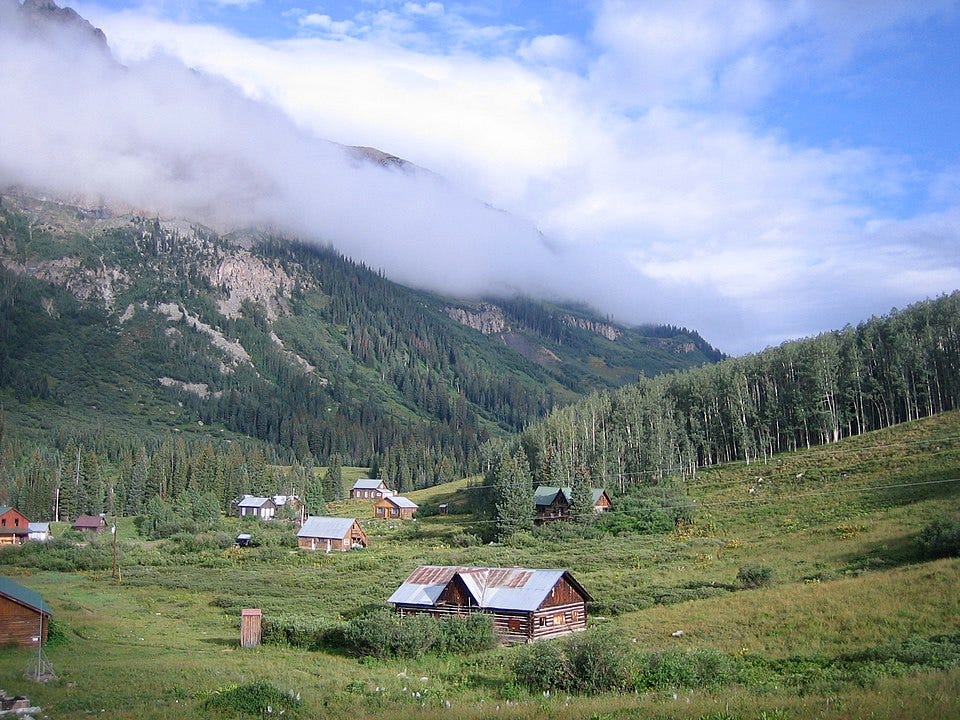
The data from this year show it too. Colorado’s 2026 snowpack is the lowest on record since 1987. Since mid-January, the winter storms that have dumped snow on the mountains have been quickly followed by warm temperatures, leaving a shallow to non-existent snowpack at even high elevations.
A startling number of sites in Colorado and Utah that measure it are reporting snowpack levels below the 5th percentile — drier than 95% of historical records for this date. The Gunnison River Basin is at 53% on March 20 and the thermometer at my house reads 82 degrees.
The numbers align with what the body feels. Another neighbor said she was taking down the bird-feeder to put up her hummingbird feeder. In March.
It’s not really divination, but the I Ching does have several hexagrams associated with this time of the season, depending on which way you might consider things. Tai, which reflects balance between light and dark, or Wu Wang, that shows innocence and new beginnings. But Zhen is also associated with now. It is thunder over thunder. And that is this spring.
It arrived as summer after a winter that wasn’t. A force to reckon with.
Tai depicts what the equinox should be — equal light, equal dark, the balance point. Wu Wang shows innocence: the natural inclination to follow warmth, to bloom when heat says bloom. The bees and trees don’t know it’s not May yet.
But Zhen speaks to the force of the disruption itself. Thunder over thunder. And like all hexagrams, its lines tell the story. Each line is a sort of test, and when you cast the I Ching then you may also be directed to certain lines that are “changing,” and where you might focus special consideration or care.
The bottom line of Zhen tells of learning early of a disruption and getting prepared - like having listened sooner to the decades now of ever more urgent warning. The second is not missing the moment by pretending the disruption is not real, that we still have time or can believe in status quo solutions.
The third line tells us to choose. The disruption is here - now what? Were we prepared or are we still complacent? By line four we are stuck. In the disruption and we cannot move. The peril was the hesitancy itself.
Line five is the upheaval that continues, on-going, disorientation is the condition. By line six it is nearly too late. The only correct action now is to sound the alarm loudly - you see the clouds burst and cry out about the crashing flood.
Or, thunder over wind. That’s when both lines 1 and 6 change: the hexagram Héng. You saw the storm coming but you are still stuck inside it and must act.
Wind can sustain a thunder storm or dissipate it. It is generative and disruptive. The hexagram Héng tells us to hold on. To maintain. The storm may pass or it may not, so being steady and ready is the call here.
This may even be the hexagram for climate resilience.
The feral orchards blooming are right in their own order. The bees working whatever flowers the wrong spring offers are too. Persisting with direction through conditions nobody planned for.
Durable. The traditional description for Héng is of the superior person standing firm who does not change direction. Not because conditions stabilize but because they know what they’re carrying and where they’re headed regardless of conditions. The capacity to reorganize around continuity of function. To hold onto what matters while everything else transforms. Resilience is what we carry forward.
The apricot fruit may fail. The ditch may run dry by July. Hungry bees may be thwarted by what is a normal April freeze and not be back for summer. Héng reminds us to maintain direction, stand firm, and that it furthers one to have somewhere to go.
In Zhen lines 1 and 6 tell us to pay attention to what is coming, then to sound the alarm that it has arrived. Resilience, because it is here. The change that shifts to Héng suggests that we now need to hold on to what matters most with somewhere purposeful to go. Hope the bees make it too.